If you think in terms of cap rates, appreciation, and cash-on-cash returns before you think in terms of P&L statements, this one is written for you. Most franchise opportunities ask investors to choose a lane: either you’re buying into an operating business, or you’re acquiring real estate. Legato Living doesn’t force that choice, and understanding why requires looking at the model the way a real estate investor actually evaluates a deal.
How the Real Estate Component of Ownership Works
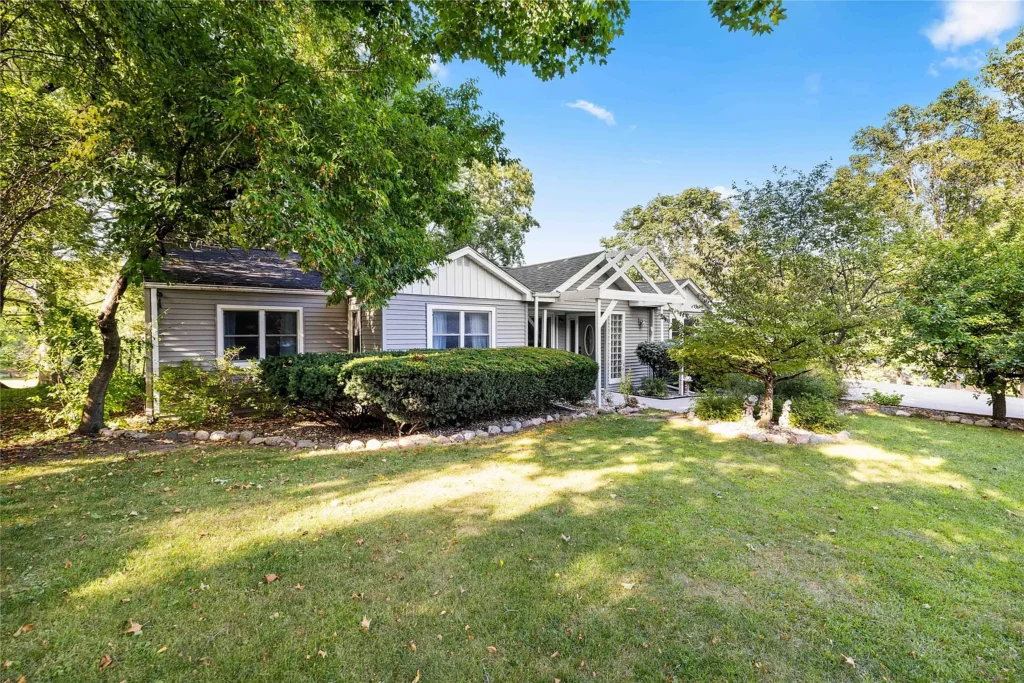
Every Legato Living home occupies a physical property, and in most ownership structures, the franchise owner holds that real estate directly. That means as the home operates and the surrounding market appreciates, the owner is building equity in a tangible asset, separate from and in addition to whatever the operating business itself generates.
This is a meaningfully different structure from a typical single-purpose franchise, where the franchisee often leases their location and builds no equity in the underlying property at all. With Legato Living, the real estate is not incidental to the business. It’s a core piece of the investment thesis from day one.
Real Estate Appreciation Plus Recurring Care Revenue
Here’s where the model gets genuinely interesting for an investor’s mindset: the property isn’t just sitting there appreciating quietly in the background. It’s simultaneously generating an operating business’s worth of recurring revenue, specifically, private-pay memory care fees from residents living in the home.
That combination, property appreciation plus recurring operating income, is the structural advantage that draws real estate investors toward this model even when they have no prior interest in senior care as an industry. Most real estate holds are passive. You buy, you wait, you eventually sell or refinance. Most operating businesses require you to build the revenue stream from nothing. Legato Living pairs both dynamics into a single decision: an appreciating asset that’s also cash-flowing from day one of stabilized occupancy.
The recurring revenue side has its own investment logic worth understanding. Memory care is a needs-based service. Families aren’t purchasing it as a discretionary expense they can defer during a downturn, they’re purchasing it because a loved one requires a level of care that can’t be delayed. That gives the revenue side of this equation a resilience that many other real estate-adjacent operating businesses don’t have.
How This Compares to a Single-Asset Real Estate Investment
Consider the alternative most investors are weighing this against: a straightforward real estate acquisition, whether that’s a rental property, a commercial building, or a REIT allocation. In a typical single-asset hold, your return depends almost entirely on appreciation and, if applicable, a lease-based income stream that’s subject to market rent conditions and tenant turnover.
With a Legato Living home, the income side of the equation isn’t dependent on a single tenant or a fluctuating rental market. It’s generated by an operating business with its own demand driver: a rapidly growing population of people who need memory care and a limited supply of quality homes to provide it. That’s a fundamentally different, and in many respects more resilient, revenue engine than a traditional lease.
There’s also a control dimension worth noting. In a passive real estate hold, an investor typically has limited ability to influence the asset’s performance beyond initial acquisition and periodic capital improvements. In the Legato Living model, an owner has direct influence over the operating business built on top of that real estate, through staffing decisions, operational standards, and the overall quality of the home. For investors who want more than a passive stake in an asset’s outcome, that’s a meaningful distinction.
Who This Model Fits
This isn’t a fit for every real estate investor, and it shouldn’t be positioned as one. It fits investors who are comfortable taking on an operating role, whether hands-on or through a semi-absentee structure with trained management in place, in exchange for a return profile that combines property appreciation with recurring, needs-based revenue. It’s a more active investment than a REIT allocation or a passive rental property, but it’s also a more resilient and differentiated one than most single-purpose franchise opportunities offer.
For investors already comfortable evaluating real estate deals who are looking for a way to layer an operating business with genuine demand fundamentals on top of that real estate, this model is worth serious evaluation.
Explore the Numbers
If you’d like to see the full financial picture, including startup costs, projected revenue, and what the real estate component looks like in a specific target market, we’re happy to walk through it with you directly. Reach out to Brendan Major at brendan@legatoliving.com, or visit LegatoLiving.com/Franchise to get started.