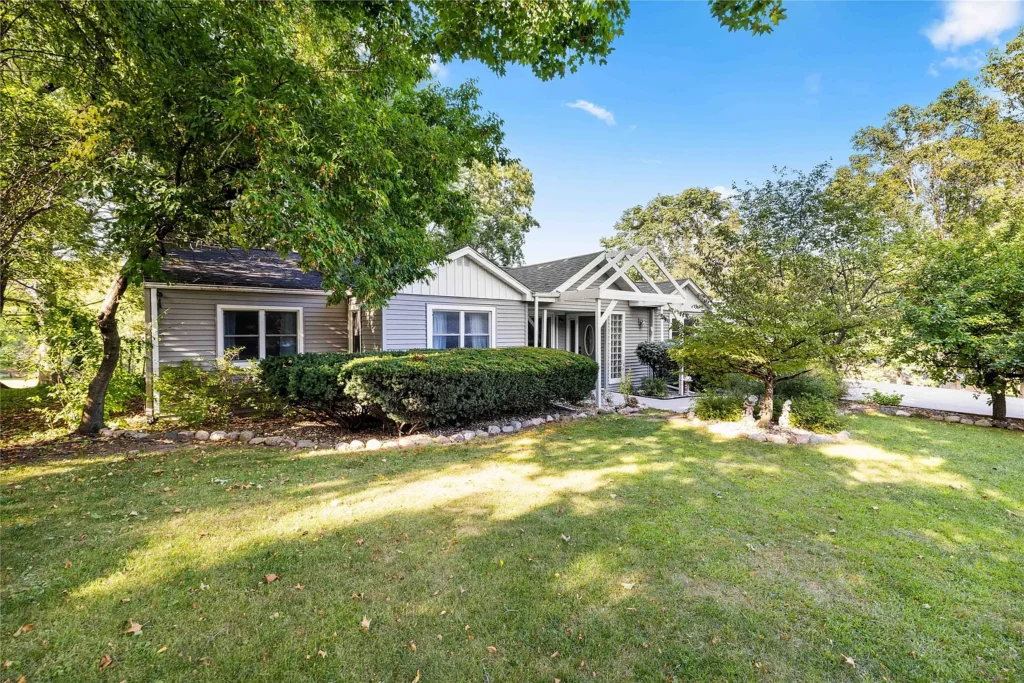

Anyone researching senior living franchise opportunities eventually runs into the same fork in the road: large-format facilities with dozens or hundreds of residents on one side, and small residential homes on the other. From the outside, they can look like variations on the same idea. From an ownership and operations standpoint, they’re two fundamentally different businesses, and the difference has real consequences for an investor’s bottom line.
Legato Living operates on the residential side of that fork, typically housing five to eight residents per home. Understanding why that model exists, and what it changes operationally, is essential for anyone evaluating this category as a business, not just as a care philosophy.
Staffing Ratios That Actually Work
In a large institutional facility, staffing is built around covering shifts across a big building with a high resident count, which often means each caregiver is responsible for a large number of residents at once. That structure creates real limits on the level of attention any single resident receives, and it also creates a staffing cost model that scales in ways that can be hard to predict or control.
A small residential home flips that ratio. With fewer residents per home, staffing can be structured around a more consistent, more manageable caregiver-to-resident relationship. From an owner’s perspective, that’s not just a care-quality talking point, it’s an operational advantage. Staffing costs are more predictable, scheduling is more manageable, and the business isn’t as exposed to the kind of turnover-driven cost spikes that plague larger facilities.
Lower Overhead by Design
Institutional senior living facilities carry the overhead you’d expect from operating a large building: bigger physical footprints, more extensive common-area maintenance, larger administrative staffs, and higher utility and insurance costs tied to scale. Residential homes, by contrast, operate more like a well-run single-family property with a dedicated care team inside it.
That lower overhead structure doesn’t mean lower revenue potential. It means a different cost base entirely, one that can support stronger margins per home even without the scale of a 100-plus-bed facility. For an investor comparing models, that’s a meaningful distinction: bigger isn’t automatically better when the operating costs scale right alongside the size.
Care Quality as a Business Differentiator, Not Just a Mission Statement
It’s easy to talk about “personalized care” as a soft, feel-good phrase. In the residential model, it’s actually a structural outcome of the format itself. Fewer residents per home means each person’s needs, routines, and preferences can be genuinely known and accounted for by staff, rather than managed at scale through standardized protocols built for a much larger population.
That distinction matters to families evaluating care, but it also matters to owners in a very practical way. Resident and family satisfaction in a small-home model tends to translate into stronger word-of-mouth reputation and longer average resident tenure, both of which support the kind of predictable, recurring revenue that makes this business attractive as an investment in the first place.
What This Means for an Owner’s Bottom Line
Put the pieces together and the residential model isn’t just a values-driven alternative to institutional senior living, it’s a different operating structure with a different cost base, a different staffing model, and a different path to resident retention. For an owner, that translates into a business that’s more manageable at the day-to-day level and more differentiated in a crowded senior living market.
That differentiation is also a competitive advantage in how the opportunity is marketed to prospective residents and families. A brand that can genuinely say it offers a home, not a facility, has a distinct story to tell in a market where most alternatives sound remarkably similar to each other.
Seeing the Model in Action
The best way to evaluate whether this operational structure fits how you want to run a business is to talk directly with the Legato Living team about how a home actually operates day to day, from staffing to resident care to the numbers behind it.
Schedule a call to walk through what ownership of a residential memory care home looks like in practice, and whether the model fits the kind of business you’re looking to build.